Legends Battlegrounds Beginner Guide
Build a focused first Legends Battlegrounds session with official inputs, short exchanges, defensive resets and a practical fight review.
Learn light attack, dash and block before adding longer sequences. The official listing assigns Left Click to light attack, Q to dash, F to block and Q while ragdolled to evasive; practice recognizing the state before choosing the input.
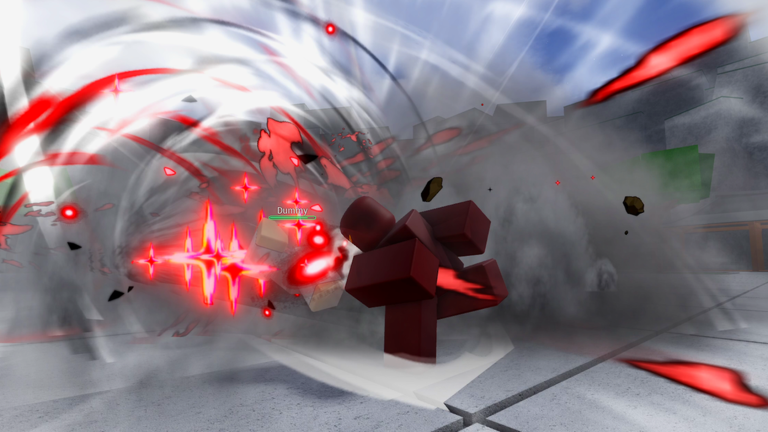
View reference image
On this page
Build one readable exchange
Legends Battlegrounds is the Arts of Vermillion Roblox experience identified by place 15269951959. The developer describes stickman characters, including original characters and characters from anime. This guide focuses on learning fights rather than treating a character’s theme as evidence that it is strongest.
Choose a character currently available to you and inspect its displayed moves. Begin with a small exchange that you can describe afterwards. If you use every move immediately, it becomes difficult to tell which part succeeded, missed or was defended.
Separate movement from commitment
Use the official controls to practice approaching and stopping. Q is listed as dash, Left Click as light attack and F as block. First learn what distance and facing your current attack needs. Only add a follow-up after you can recognize whether the opening worked.
This is a practice routine, not a guaranteed combo. Character moves, position, opponent responses and updates can change the outcome. A creator’s long sequence can be useful to study, but the sequence is not automatically transferable to your selected fighter.
Recognize the state before pressing Q
The listing gives Q another job while ragdolled: evasive or ragdoll cancel. That makes state recognition part of input selection. Practice noticing whether you are moving normally or are already in the ragdolled state before expecting a particular result.
Do not assume repeated presses provide repeated escapes. The official source used here does not specify evasive cooldowns, invulnerability frames or guaranteed follow-ups. Read the current interface and observe what actually happens. The defense and evasive guide turns this distinction into a review routine.
Keep the next decision available
After an attack misses or is blocked, notice the opponent’s response before continuing the same plan. Moving, blocking and waiting are choices you can evaluate. Pressing the next move simply because it is next in a memorized sequence hides the decision that matters.
Try giving one short practice period a single focus: approach distance, recognizing a block, or responding after a failed opener. This is an editorial training suggestion. It does not require a paid private server, disabled cooldowns or access to a particular character.
Add awakening after the basics
The official keyboard list assigns G to awaken. It does not say that awakening is always available or that activation solves every defensive problem. Read the current character interface and use the action when its conditions are met.
Before activating, know what you intend to do next. An activation without a plan can leave the same spacing problem unresolved. Avoid converting cinematic presentation or a video highlight into a claim that a move is unbeatable.
Review one failed exchange
Ask whether the opening missed, was defended, or connected without a useful follow-up. These require different changes. A missed attack may need a different approach; a defended attack needs a different decision; an unreliable follow-up needs practice in the relevant state.
You have completed this first-session task when you can explain the start and end of a short exchange and name the decision you want to improve. Keep the official controls reference open for keyboard inputs, and use your in-game layout for touch or controller bindings.
Step-by-step guide
- Learn the core input states
Distinguish ordinary movement from being ragdolled so Q is a deliberate choice rather than an automatic reaction.
- Practice a short exchange
Approach, use a limited attack and observe the response before committing the rest of your available moves.
- Review the failed decision
Identify whether spacing, defense or an attempted follow-up caused the problem, then change one variable next time.
Quick reference
Decision reference
| Practice goal | What to observe | Avoid assuming |
|---|---|---|
| Approach deliberately | Whether your attack reaches from this position | That every forward approach should continue into a combo |
| Recognize defense | Whether the opponent blocks or moves | That light attacks always break a block |
| Use the correct Q action | Whether you are ragdolled | That dash and evasive are separate listed keys |
| Add a follow-up | Whether the previous action actually connected | That a memorized sequence is always guaranteed |
Video evidence
Watch creator walkthroughs alongside this guide. Check the recording date before following requirements that may have changed.
my first time playing Legends Battlegrounds...
Dated footage of the named game for interface and presentation context. Mechanics in this guide follow the current official listing, not creator rankings.
How To WIN EVERY FIGHT And COOK JUN Users In Legends Battlegrounds
Dated footage of the named game for interface and presentation context. Mechanics in this guide follow the current official listing, not creator rankings.
FAQ
Which version does this page cover?
Official SHINJI listing checked 19 October 2026. Check the current game interface when an older guide or clip disagrees.
Is this an official or tested walkthrough?
This is an independent source-based guide. Developer facts and editorial planning suggestions are separated; no hands-on testing, guaranteed route or unsupported numerical values are claimed.
Sources
Recheck these links whenever the game version, release status, or strategy changes.
- Official Legends Battlegrounds game listing Primary source checked 19 October 2026; mechanics are version-specific.